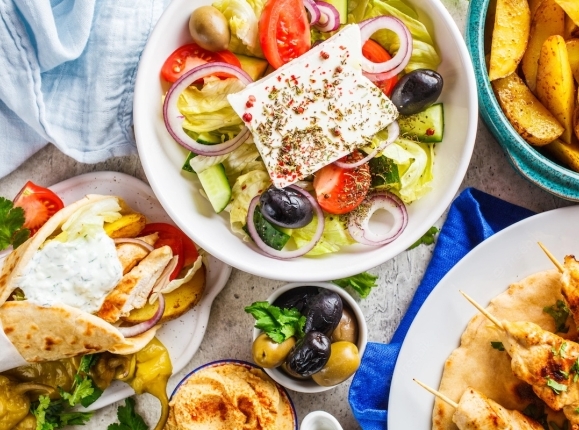
Few foods are as simple — and as misunderstood — as pita bread. Soft, warm, and endlessly versatile, pita is a staple across the Mediterranean and Middle East. Yet not all pita is the same. If you’ve ever wondered why the bread in a Greek restaurant feels richer, fluffier, and more satisfying than the pita you buy at the store, you’re not alone.
Understanding the difference between greek pita vs regular pita opens the door to appreciating not just a bread, but an entire culinary tradition rooted in history, health, and flavor.
To understand the difference, we need to start with the pita origin. Pita bread dates back thousands of years and is believed to have originated in the Middle East, where early flatbreads were baked in hot ovens using simple ingredients like flour, water, and yeast.
Over time, pita spread across regions including Greece, Turkey, and the Levant, evolving into different styles based on local preferences and cooking methods. This is why discussions around the origin of pita bread pita greek often come up — while Greece did not invent pita, it perfected its own unique version that stands apart from others.
At first glance, all pita bread may look similar. But once you taste them side by side, the differences become clear.
Greek pita is typically:
Regular pita (often Middle Eastern style) is:
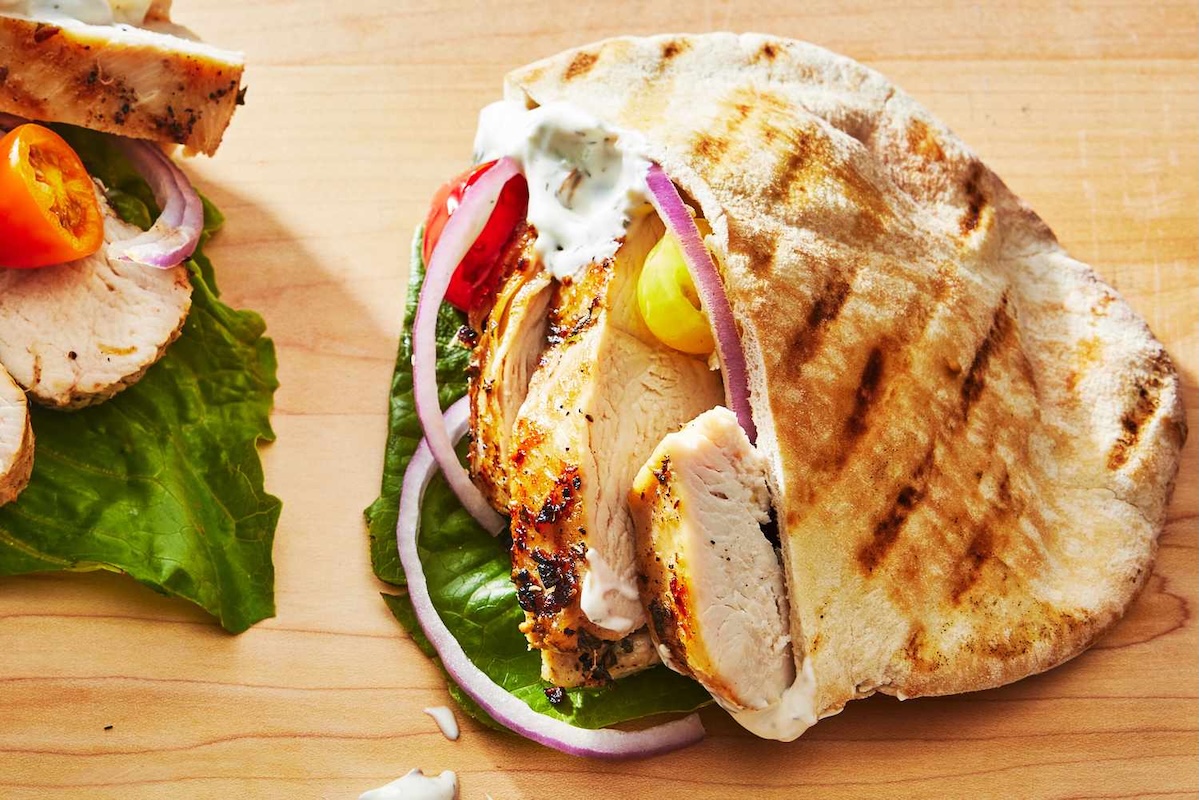
Greek pita does not usually have a pocket. Instead, it’s meant to wrap around ingredients or be served as a base for dishes.
Greek pita is often:
Regular pita is usually:
This difference in preparation gives Greek pita a richer flavor and more satisfying bite.
Greek pita tends to be:
Regular pita is:
This is why Greek pita can stand on its own — even served simply with dips like tzatziki or hummus.
Greek pita isn’t just bread — it’s part of the experience. Whether wrapped around souvlaki, served alongside grilled meats, or paired with fresh Mediterranean spreads, it adds both texture and depth to every dish.
Its slightly crisp exterior and soft interior create the perfect contrast, making each bite more satisfying.
One of the reasons Mediterranean cuisine is so widely loved is because greek food is healthy. It focuses on balance, fresh ingredients, and natural flavors rather than heavy processing.
Greek pita fits perfectly into this philosophy:
When combined with olive oil, fresh herbs, grilled seafood, and vegetables, pita becomes part of a diet known for its health benefits — including heart health and overall wellness.
Greek pita is essential to many iconic dishes:
Its versatility makes it one of the most important elements of Greek cuisine.
Not all pita is created equal — and the quality of ingredients and preparation makes all the difference.
At Mykonos Kitchen & Bar, pita is more than just a side — it’s a highlight of the dining experience. Freshly prepared, perfectly grilled, and served warm, it reflects the authenticity and care that define the restaurant’s approach to Mediterranean cuisine.
Guests often notice:
Many would say that you’ll find the best pita at Mykonos Kitchen & Bar, where traditional techniques meet high-quality ingredients and a passion for Greek flavors.
It’s easy to overlook something as simple as bread. But when it comes to Greek cuisine, pita is far from ordinary. It’s a key part of what makes the food feel authentic, satisfying, and complete.
From its ancient pita origin to its modern role in Mediterranean dining, this humble flatbread continues to bring people together — one warm, flavorful bite at a time.
If you’ve only ever had standard pita, trying authentic Greek pita can completely change your perspective. It’s softer, richer, and designed to enhance every dish it accompanies.
And at Mykonos Kitchen & Bar, that difference is clear from the very first bite.
Because sometimes, the simplest ingredients — when done right — create the most memorable experiences.
If you are looking for sushi in Sunny Isles Beach but half of your party wants Greek food, you do...
What makes Greek food so memorable? It isn't necessarily an elaborate recipe, an expensive ingredient, or a complicated cooking technique....
Some dinners are better when you don't have to choose between two dishes.Greek dining understands this perfectly.Instead of ordering one...
Your first experience with Greek food doesn't need to begin with knowing how to pronounce every dish on the menu.It...
Lunch in Sunny Isles Beach deserves more than a quick stop between plans.With warm Florida weather, waterfront scenery, and the...
What does the perfect Mediterranean dinner actually need?The answer is refreshingly simple: fresh ingredients, food made for sharing, something delicious...
A memorable date night does not always require an elaborate plan. Sometimes, the right combination of beautiful surroundings, food designed...
Greek cuisine has a remarkable ability to make simple ingredients taste memorable. A fresh fish needs little more than careful...
Walking into a Greek restaurant for the first time can feel like the beginning of a small Mediterranean adventure. The...
Miami and the water are inseparable. From the sparkling expanse of Biscayne Bay to the Intracoastal Waterway and the marinas...
There’s something about Greek cuisine that captures the hearts—and taste buds—of food lovers everywhere. In Sunny Isles, where diverse culinary...
Few culinary traditions in the world are as deeply intertwined with hospitality as Greek cuisine. In Greece, food is more...

Mykonos Kitchen & Bar brings the authentic taste of Greece to Sunny Isles Beach, FL. Our waterfront restaurant offers a vibrant dining experience with a menu crafted from fresh ingredients and traditional recipes. From savory appetizers to signature cocktails, we provide exceptional food quality and warm hospitality. Whether it's a romantic dinner, family brunch, or special event, we create memorable moments for every occasion.
Tue - Fri 5PM-11PM
Sat 12PM-11PM
Sun 12PM-11PM
Closed on Monday
Sat 12PM–3:30PM
Sun 12PM–3:30PM