The Mediterranean diet has long been celebrated as one of the healthiest ways to eat in the world, and at its heart lies Greek cuisine - a culinary tradition that blends fresh ingredients, bold flavors, and time-honored cooking techniques. But when people ask, "Is Greek food healthy?", the answer is a resounding yes—with some fascinating reasons why. From its emphasis on wholesome fats and lean proteins to its abundance of vegetables, herbs, and whole grains, Greek food offers a wealth of health benefits that go far beyond just great taste.
At Mykonos Kitchen & Bar, we take pride in serving authentic Greek dishes that not only delight the palate but also nourish the body. In this article, we’ll explore the science-backed health benefits of Greek cuisine, what makes it a cornerstone of the Mediterranean diet, and how you can enjoy its many advantages - whether you’re dining out or cooking at home.
When researchers and nutritionists talk about the healthiest diets in the world, the Mediterranean diet consistently ranks at the top. And Greek cuisine is one of its most iconic representations. This way of eating is a lifestyle that has been linked to longevity, reduced risk of chronic diseases, and overall well-being.
The Mediterranean diet is characterized by:
Greek cuisine fits perfectly into this framework, making it one of the healthiest culinary traditions in the world.
So, is Greek food healthy? Let’s dive into the specific ways Greek cuisine supports your well-being.
One of the standout features of Greek cuisine is its use of olive oil - a cornerstone of the Mediterranean diet. Unlike saturated fats found in butter or lard, olive oil is a monounsaturated fat, which has been shown to:
At Mykonos Kitchen & Bar, we use extra virgin olive oil in many of our dishes, from drizzling it over fresh salads to cooking our grilled vegetables and seafood. This not only enhances the flavor of our food but also ensures you’re getting the heart-healthy benefits with every bite.
Greek cuisine is a vegetable lover’s dream. Dishes are often built around an abundance of fresh, seasonal produce, including:
These ingredients are not only nutrient-dense but also low in calories, making them ideal for maintaining a healthy weight and reducing the risk of chronic diseases like diabetes and certain cancers.
Example Dishes at Mykonos Kitchen & Bar:
Greek cuisine offers a variety of lean protein sources, which are essential for muscle repair, immune function, and metabolism. Some of the most common include:
At Mykonos Kitchen & Bar, our grilled seafood and meats are prepared with minimal added fats, allowing the natural flavors to shine while keeping the dishes light and nutritious.
Unlike refined grains, which can spike blood sugar, Greek cuisine often incorporates whole grains that provide steady energy and keep you feeling full. Some examples include:
These grains are high in fiber, which aids digestion, helps regulate blood sugar, and supports a healthy gut microbiome.
Greek food is famous for its use of herbs and spices, which do more than just add flavor—they also offer significant health benefits:
At Mykonos Kitchen & Bar, we use these herbs generously in our dishes, ensuring that every meal is not only delicious but also packed with health-boosting properties.
One of the biggest advantages of Greek cuisine is its minimal reliance on processed foods and added sugars. Traditional Greek dishes are made from scratch using whole, natural ingredients. This means:
This makes Greek food an excellent choice for those looking to avoid the pitfalls of modern processed diets.
The health benefits of Greek cuisine extend beyond just physical well-being. Studies have shown that adhering to a Mediterranean diet (which includes Greek food) can:
While Greek cuisine is undeniably one of the healthiest in the world, there are a few considerations to keep in mind to ensure you’re getting the most out of its benefits:
While olive oil and feta cheese are staples of Greek cuisine, they should be consumed in moderation:
At Mykonos Kitchen & Bar, we use these ingredients thoughtfully to balance flavor and health.
Some traditional Greek dishes, like feta cheese, olives, and cured meats, can be high in sodium. If you’re watching your salt intake, opt for fresh, unprocessed versions of these foods or ask for lighter preparations.
While Greek cuisine is inherently healthy, balance is key. Aim to fill half your plate with vegetables and legumes, a quarter with lean proteins, and a quarter with whole grains or healthy fats like olive oil.
If you’re inspired to incorporate more Greek cuisine into your diet, here are some tips to maximize its health benefits:
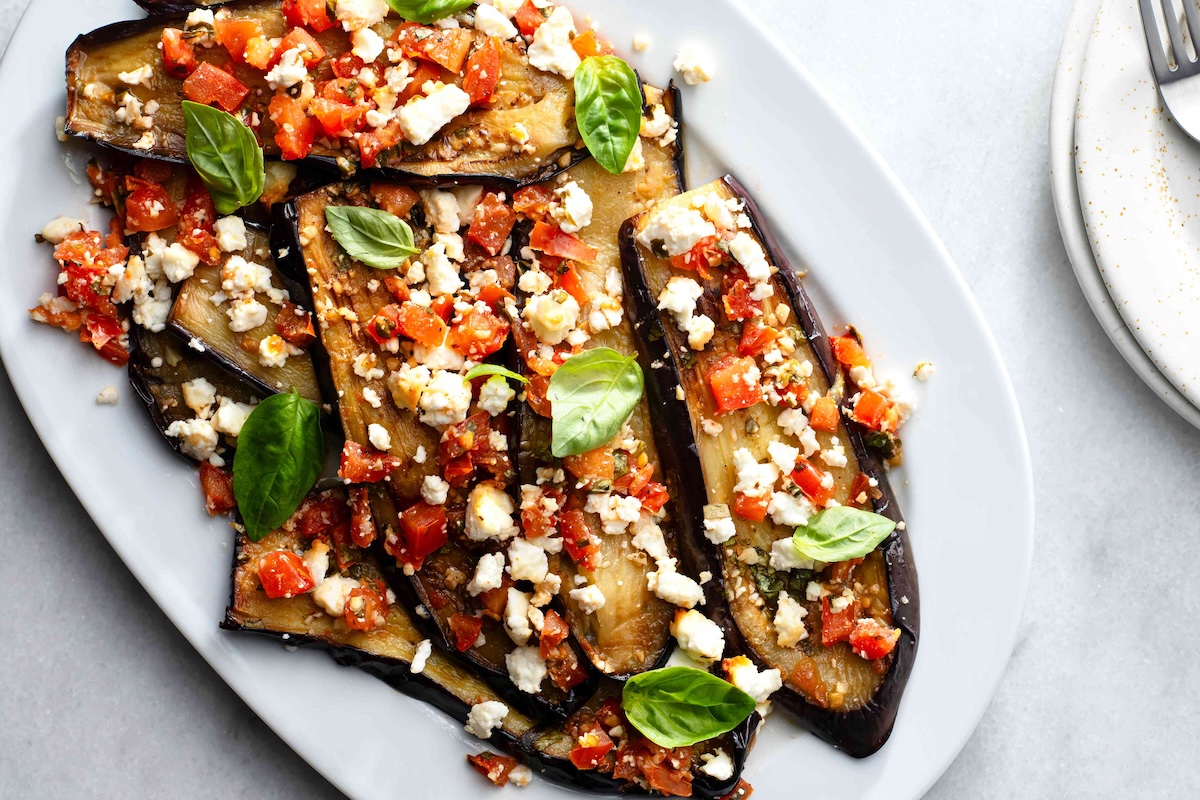
Make vegetables the star of your meal. Try dishes like Greek salad (Horiatiki), stuffed tomatoes (Gemista), or grilled eggplant.
Opt for grilled, baked, or steamed preparations of fish, chicken, and vegetables to keep the dish light and nutritious.
Drizzle olive oil over salads and vegetables, or use it for light sautéing. Avoid deep-frying with it, as high heat can degrade its nutritional properties.
Aim to include fish like branzino, salmon, or sardines in your diet at least twice a week to reap the benefits of omega-3 fatty acids.
Greek yogurt is a fantastic source of protein and probiotics, but be mindful of portion sizes when it comes to cheeses like feta.
At Mykonos Kitchen & Bar, we’re passionate about sharing the health benefits of Greek cuisine with our guests. Our menu is designed to highlight the freshest, most nutritious ingredients, prepared in ways that honor tradition while promoting well-being.
When you dine with us, you’re not just enjoying a meal - you’re nourishing your body with a diet that has been linked to longevity, heart health, and overall vitality. From our grilled seafood and lean meats to our vibrant salads and vegetable-based mezes, every dish is crafted to bring out the best in Greek culinary traditions.
So, the next time you ask, "Is Greek food healthy?", remember that the answer is a resounding yes - and there’s no better place to experience its benefits than at Mykonos Kitchen & Bar.
Visit Us Today
Experience the health and flavor of authentic Greek cuisine at Mykonos Kitchen & Bar in Sunny Isles Beach.
Kalí órexí! (Bon appétit!) 🇬🇷
Some dinners are better when you don't have to choose between two dishes.Greek dining understands this perfectly.Instead of ordering one...
Your first experience with Greek food doesn't need to begin with knowing how to pronounce every dish on the menu.It...
Lunch in Sunny Isles Beach deserves more than a quick stop between plans.With warm Florida weather, waterfront scenery, and the...
What does the perfect Mediterranean dinner actually need?The answer is refreshingly simple: fresh ingredients, food made for sharing, something delicious...
A memorable date night does not always require an elaborate plan. Sometimes, the right combination of beautiful surroundings, food designed...
Greek cuisine has a remarkable ability to make simple ingredients taste memorable. A fresh fish needs little more than careful...
Walking into a Greek restaurant for the first time can feel like the beginning of a small Mediterranean adventure. The...
Miami and the water are inseparable. From the sparkling expanse of Biscayne Bay to the Intracoastal Waterway and the marinas...
There’s something about Greek cuisine that captures the hearts—and taste buds—of food lovers everywhere. In Sunny Isles, where diverse culinary...
Few culinary traditions in the world are as deeply intertwined with hospitality as Greek cuisine. In Greece, food is more...
There’s a word in Greek that perfectly encapsulates the warmth, generosity, and open-heartedness that define the country’s approach to dining...
Few cuisines in the world can transport you across continents with a single bite quite like Greek food. With its...

Mykonos Kitchen & Bar brings the authentic taste of Greece to Sunny Isles Beach, FL. Our waterfront restaurant offers a vibrant dining experience with a menu crafted from fresh ingredients and traditional recipes. From savory appetizers to signature cocktails, we provide exceptional food quality and warm hospitality. Whether it's a romantic dinner, family brunch, or special event, we create memorable moments for every occasion.
Tue - Fri 5PM-11PM
Sat 12PM-11PM
Sun 12PM-11PM
Closed on Monday
Sat 12PM–3:30PM
Sun 12PM–3:30PM