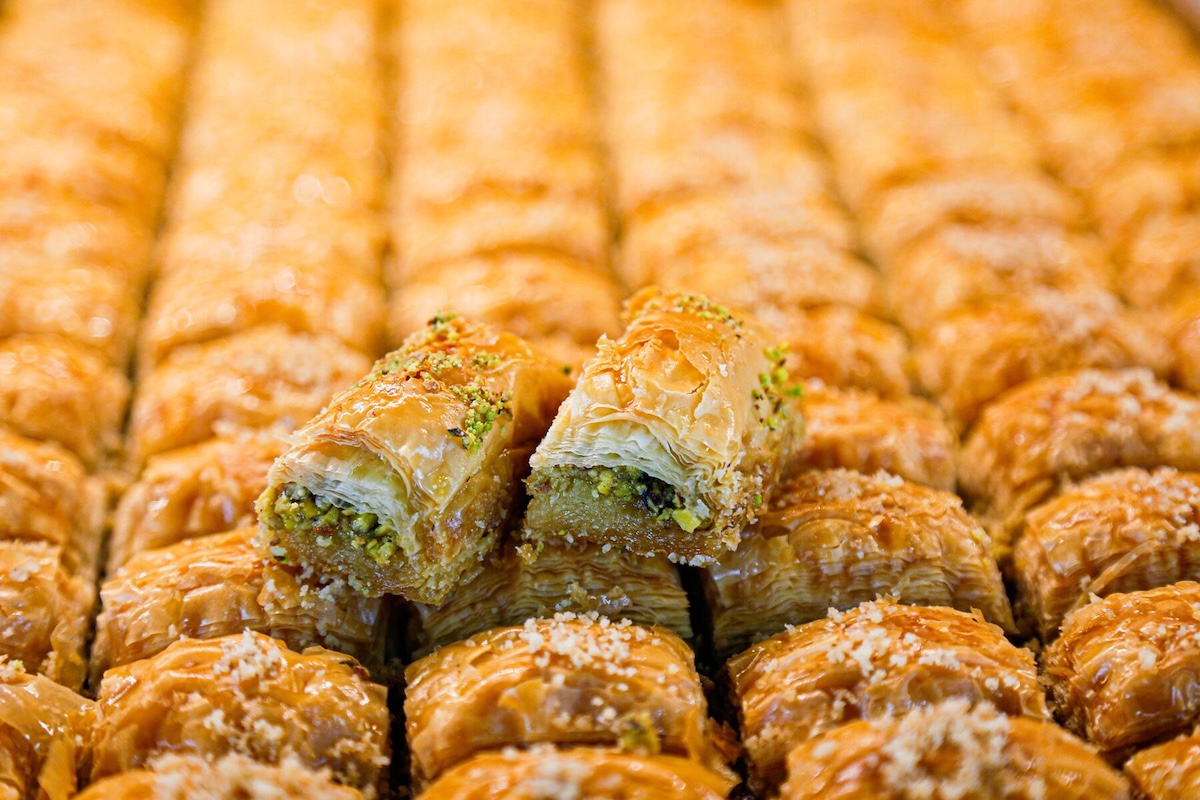
Few desserts in the world are as universally beloved - or as instantly recognizable - as baklava. With its layers of crisp, golden phyllo dough, rich nut filling, and sweet honey syrup, this decadent treat is a cornerstone of Greek cuisine and a symbol of Mediterranean indulgence. But what is baklava, exactly? And why has it captured the hearts (and taste buds) of so many around the globe?
At Mykonos Kitchen & Bar, one of the best restaurants in Sunny Isles, we take pride in serving some of the best baklava in Sunny Isles. Whether you’re a longtime fan of this Greek classic or trying baklava in Miami for the first time, this dessert is a must-try. In this article, we’ll dive into the history, ingredients, and cultural significance of baklava, explore its irresistible baklava taste, and share why our version at Mykonos Kitchen & Bar stands out as a true taste of Greece.
To answer the question "what is baklava?", we need to travel back in time. Baklava is a layered pastry dessert made of thin phyllo dough, filled with chopped nuts (traditionally walnuts, pistachios, or almonds), and sweetened with honey or syrup. Its origins are a subject of debate, with multiple cultures - Greek, Turkish, Middle Eastern, and Balkan - claiming it as their own. However, its roots can be traced back to the Ottoman Empire, where it was likely inspired by earlier Middle Eastern pastries.
The exact origin of baklava is unclear, but its evolution is a fascinating journey through history:
Today, baklava is a beloved dessert across the Mediterranean and Middle East, with each region adding its own unique twist. In Greece, it’s often flavored with cinnamon, cloves, or rosewater, giving it a distinct baklava taste that sets it apart.
So, what is baklava made of? The magic of baklava lies in its three key components:
Phyllo (or filo) dough is the heart of baklava. This paper-thin pastry dough is stretched so thin that it’s nearly translucent. When baked, it becomes crisp, golden, and flaky, creating the perfect texture contrast with the soft, nutty filling.
The filling is where the baklava taste truly shines. Traditional Greek baklava uses a mix of chopped nuts, often including:
At Mykonos Kitchen & Bar, we use a blend of premium nuts and spices to create a filling that’s rich, aromatic, and perfectly balanced.
The final touch is the syrup or honey mixture that soaks into the baked pastry, giving baklava its signature sweet, sticky, and moist texture. Traditional Greek baklava uses:
The syrup is poured over the baked baklava while it’s still hot, allowing it to seep into every layer and create a dessert that’s crispy on the outside, tender on the inside, and irresistibly sweet all the way through.
If you’ve never tried baklava before, you might be wondering: what does baklava taste like? The answer is a harmonious blend of textures and flavors that make it one of the most addictive desserts in the world.
The first thing you’ll notice when you take a bite of baklava is its texture:
The baklava taste is a complex interplay of flavors:
At Mykonos Kitchen & Bar, our baklava is made with premium Greek honey and a blend of walnuts and pistachios, creating a baklava taste that’s sweet, nutty, and utterly irresistible.
Baklava isn’t just a dessert - it’s a cultural symbol in Greece. Here’s why it holds such a special place in Greek cuisine and tradition:
In Greece, baklava is often served at special occasions, including:
In Greek culture, serving baklava to guests is a sign of warmth and hospitality. It’s a way to show appreciation and share a taste of Greek tradition with loved ones.
Baklava is a testament to the artistry of Greek pastry-making. The precision of layering phyllo dough, the balance of sweet and nutty flavors, and the technique of soaking the pastry in syrup all require skill and patience. This makes baklava not just a dessert, but a culinary achievement.
While you can find baklava in Miami at many Greek and Middle Eastern restaurants, Mykonos Kitchen & Bar is proud to offer some of the best baklava in Sunny Isles. Here’s what sets our version apart:
Our baklava is made using a traditional Greek recipe, passed down through generations. We use:
We believe that the best desserts start with the best ingredients. That’s why we use:
One of the keys to a great baklava taste is balance. Our baklava is:
At Mykonos Kitchen & Bar, we don’t just serve baklava - we celebrate it. Our baklava is:
If you’ve ever wondered how to make baklava at home, here’s a step-by-step breakdown of the traditional process. While it takes time and patience, the result is well worth the effort!
Baklava is a dessert that’s meant to be savored and shared. Here’s how to enjoy it like a true Greek:
In Greece, baklava is often served with a cup of Greek coffee - a strong, aromatic brew that’s similar to Turkish coffee. The bitter, rich flavor of the coffee balances the sweetness of the baklava, creating a perfect harmony.
At Mykonos Kitchen & Bar, we serve our baklava with a traditional Greek coffee for the full experience.
For a truly Greek experience, pair your baklava with a glass of ouzo - an anise-flavored liquor that’s a staple in Greek culture. The sweet, licorice-like flavor of ouzo complements the nutty, honeyed taste of baklava beautifully.
Baklava is a dessert that’s meant to be shared. In Greece, it’s often served at family gatherings, weddings, and celebrations, where everyone can enjoy a piece (or two!) together.
At Mykonos Kitchen & Bar, we encourage our guests to share a plate of baklava with friends or family, just as it’s traditionally enjoyed in Greece.
In Greece, baklava is often given as a gift to friends and family, particularly during the holidays. If you’re visiting Mykonos Kitchen & Bar, consider taking home a box of our best baklava in Sunny Isles to share with loved ones.
While the traditional Greek baklava is a walnut and honey masterpiece, different regions and cultures have put their own spin on this classic dessert. Here are some delicious variations you might encounter:
At Mykonos Kitchen & Bar, we stick to the traditional Greek recipe, but we’re always happy to experiment with new flavors and techniques to keep our baklava in Miami fresh and exciting.
If you’re craving baklava in Miami, there’s no better place to try it than at Mykonos Kitchen & Bar. As one of the best restaurants in Sunny Isles, we’re proud to serve a baklava taste that’s authentic, delicious, and true to Greek tradition.
Our baklava is made fresh daily using premium ingredients and traditional techniques. Whether you’re dining in for a full Greek meal or just stopping by for dessert, our baklava is a must-try.
Can’t make it to the restaurant? No problem! You can order our baklava for takeout or delivery and enjoy the best baklava in Sunny Isles from the comfort of your own home.
Looking for the perfect gift? Our baklava makes a wonderful present for birthdays, holidays, or just because. Stop by Mykonos Kitchen & Bar to pick up a box of our signature baklava for someone special.
Baklava is more than just a dessert - it’s a culinary masterpiece that embodies the rich history, tradition, and flavors of Greek cuisine. From its flaky phyllo layers to its sweet, nutty filling and aromatic syrup, every bite of baklava is a symphony of textures and flavors that’s hard to resist.
At Mykonos Kitchen & Bar, we’re proud to serve some of the best baklava in Sunny Isles, staying true to the traditional Greek recipe while using the finest ingredients to create a dessert that’s sweet, flaky, and utterly irresistible. Whether you’re trying baklava in Miami for the first time or you’re a longtime fan, we invite you to visit us and experience the baklava taste that’s captured the hearts of so many.
So the next time you’re in Sunny Isles, stop by Mykonos Kitchen & Bar - one of the best restaurants in Sunny Isles - and treat yourself to a plate of our signature baklava. We promise it’ll be love at first bite.
Kalí órexí! (Bon appétit!) 🇬🇷
What does the perfect Mediterranean dinner actually need?The answer is refreshingly simple: fresh ingredients, food made for sharing, something delicious...
A memorable date night does not always require an elaborate plan. Sometimes, the right combination of beautiful surroundings, food designed...
Greek cuisine has a remarkable ability to make simple ingredients taste memorable. A fresh fish needs little more than careful...
Walking into a Greek restaurant for the first time can feel like the beginning of a small Mediterranean adventure. The...
Miami and the water are inseparable. From the sparkling expanse of Biscayne Bay to the Intracoastal Waterway and the marinas...
There’s something about Greek cuisine that captures the hearts—and taste buds—of food lovers everywhere. In Sunny Isles, where diverse culinary...
Few culinary traditions in the world are as deeply intertwined with hospitality as Greek cuisine. In Greece, food is more...
There’s a word in Greek that perfectly encapsulates the warmth, generosity, and open-heartedness that define the country’s approach to dining...
Few cuisines in the world can transport you across continents with a single bite quite like Greek food. With its...
There’s a unique magic that happens when you combine the vibrant flavors of a perfectly prepared meal with the serene...
The Mediterranean table is more than just a place to eat - it’s a celebration of life, community, and the...
Sunny Isles Beach, a glittering stretch of coastline nestled between the Atlantic Ocean and the Intracoastal Waterway, has long been...

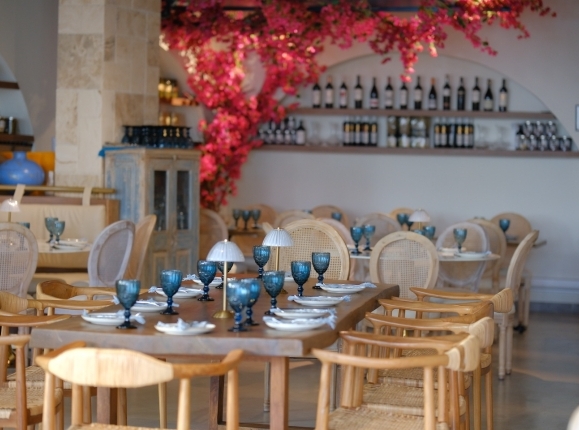
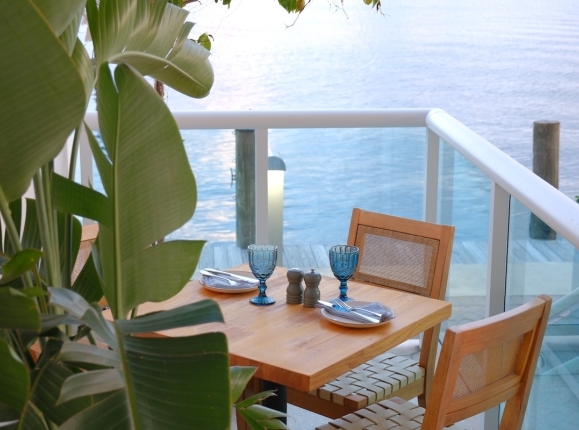
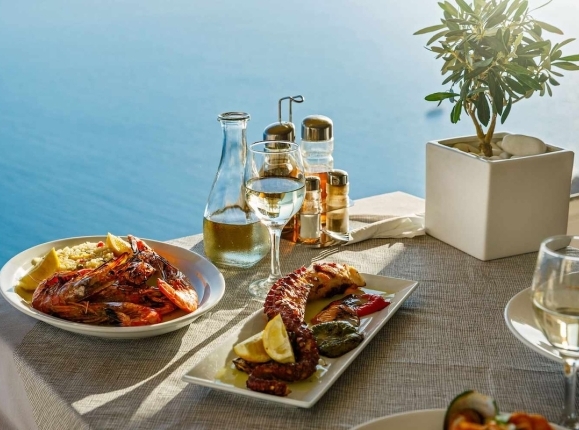
Mykonos Kitchen & Bar brings the authentic taste of Greece to Sunny Isles Beach, FL. Our waterfront restaurant offers a vibrant dining experience with a menu crafted from fresh ingredients and traditional recipes. From savory appetizers to signature cocktails, we provide exceptional food quality and warm hospitality. Whether it's a romantic dinner, family brunch, or special event, we create memorable moments for every occasion.
Tue - Fri 5PM-11PM
Sat 12PM-11PM
Sun 12PM-11PM
Closed on Monday
Sat 12PM–3:30PM
Sun 12PM–3:30PM